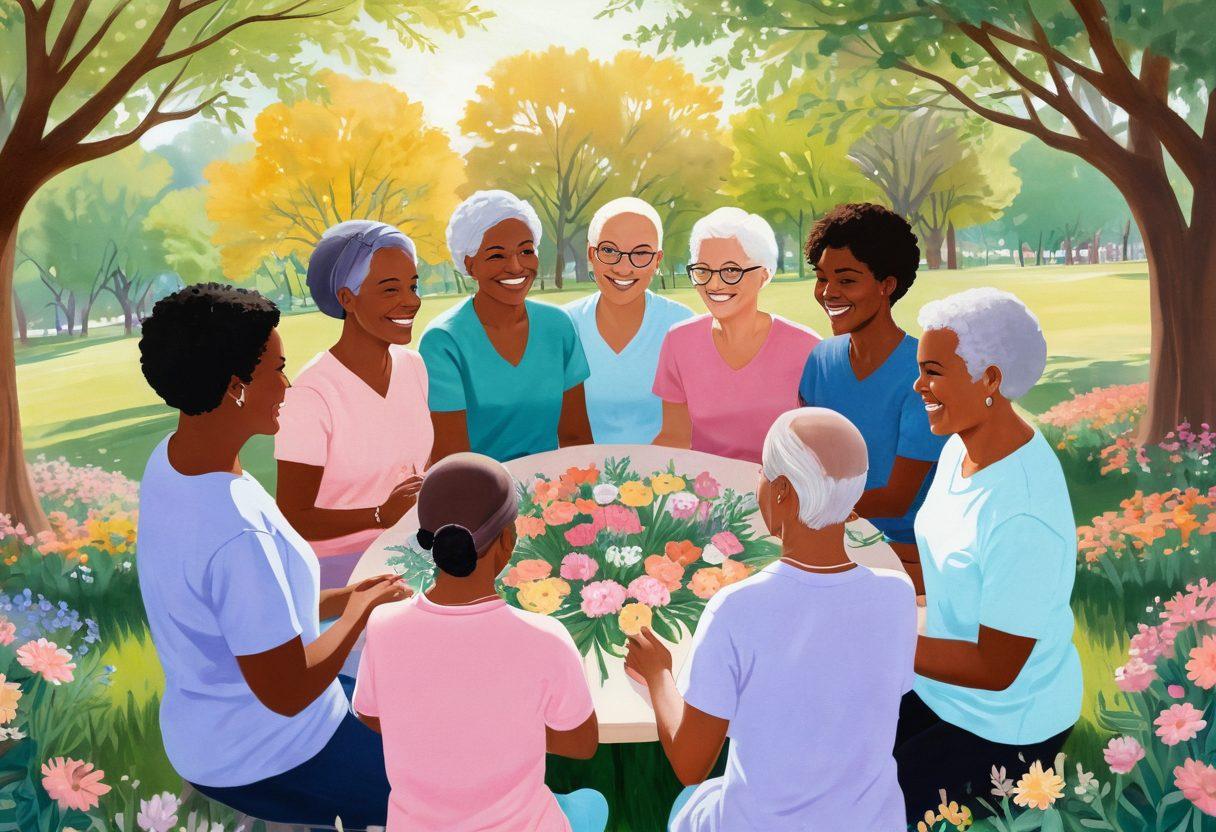
Navigating Cancer Care: Essential Support and Wellness Strategies for Survivors
When you receive a cancer diagnosis, the world often drops out from under you. But what if I told you that amidst the fear, confusion, and uncertainty, there lies an empowering path to holistic cancer care? It's true! Empowering yourself as a cancer survivor means embracing not just the physical aspects of treatment but also nurturing the mind and spirit. This journey transforms pain into strength and offers a deeper understanding of wellness. So, let's dive into how you can navigate through cancer care, leverage patient advocacy, and tap into a wealth of cancer resources that can help you reclaim your health and life.
In the realm of oncology, the intricacies of cancer treatment options can feel overwhelming. With terms like chemotherapy, immunotherapy, and radiation therapy buzzing in our heads, patients often experience decision fatigue. Yet, it’s crucial to remember that knowledge is power. Research and treatment are evolving — new clinical trials emerge daily that carry the potential to change lives. Ask yourself: how can you advocate for your health in this vast sea of information? Start by engaging with your oncologist, who can provide personalized cancer information and guidance tailored to your unique circumstances, ensuring you feel informed and empowered throughout your journey.
Living with cancer is not merely about managing physical symptoms; it’s about encompassing holistic health. From preventive care approaches to psychosocial support, every facet contributes to a survivor’s quality of life. Consider what wellness means to you. Does it involve meditation during intense moments of stress? Perhaps joining a cancer community for shared experiences? Maybe, it’s exploring complementary therapies to work alongside conventional treatments. What resonates with your idea of healing and total wellness? Taking the time to reflect on this can catalyze a transformative experience in your cancer care journey.
Navigating the emotional landscape of cancer can be just as crucial as handling physical symptoms. For many survivors, feelings of isolation or anxiety may surface after a diagnosis. This is where the importance of having a support system comes into play. Engage in awareness campaigns or local support groups — they are gold mines of understanding and can help you connect with others who share in your cancer experiences. Remember, when you build connections, you're not only aiding your recovery; you’re enriching the lives of others. How can you extend a hand and show solidarity within this community?
As you embark on your cancer care journey, remember that you hold the reins of your wellness story. Regular check-ins with your healthcare team, informed discussions about treatment options, and a proactive approach to symptom management are all part of carving out a healthier future. You are not defined by your cancer diagnosis, but rather, you are empowered by your choices and the resilience you've built along the way. So, take charge, gather your resources, and let the world see the remarkable strength of a cancer survivor walking a path of holistic health!
Navigating Treatment Options: From Diagnosis to Wellness
Navigating a cancer diagnosis is akin to finding your way through a dense fog—you know your destination, but it’s hard to see the path ahead. The words ‘You have cancer’ can echo in the mind long after they’ve been spoken, leaving a whirlwind of emotions in their wake. This journey, while daunting, holds the potential for powerful transformation, growth, and community. How can survivors, caregivers, and loved ones effectively navigate through the intricacies of treatment options and ultimately arrive at wellness? Let’s explore the roadmap of cancer care, from diagnosis to recovery, as we uncover insights and strategies that can empower you during this trying time.
When confronted with a cancer diagnosis, the first step is often to gather cancer information. Take charge of your health by actively engaging with your oncologist, who is your trusted guide in this journey. What specific types of cancer care are available for your diagnosis? You might come across traditional methods such as chemotherapy, radiation therapy, and immunotherapy, as well as newer options rooted in cutting-edge research and treatment innovations, such as clinical trials. Understanding all available treatment options will not only help you feel more in control, but it will also lay the groundwork for making informed decisions about your healthcare moving forward.
Have you ever wondered what it truly means to be a cancer survivor? It signifies resilience, courage, and a fierce determination to reclaim one’s life. Survivorship begins the moment treatment starts, and creating a wellness plan can be a central focus during and after treatment. Incorporate holistic health strategies into your daily routine—think exercise, nutrition, and mental well-being. How about setting up weekly fitness goals or exploring new healthy recipes? Engaging in these activities not only enhances physical health but also nurtures emotional and psychosocial support, crucial components for flourishing in the cancer community.
Additionally, patient advocacy plays a pivotal role in navigating treatment options. Engage with fellow cancer survivors, support groups, and even online cancer resources available in health blogs dedicated to cancer experiences. Participate in awareness campaigns or volunteering for cancer advocacy organizations to connect with others who share similar paths. This sense of belonging can often alleviate feelings of loneliness and anxiety, turning your cancer journey into a shared experience that fosters hope and encouragement.
Lastly, remember that life after a cancer diagnosis is not defined solely by the illness but by the rich experience of living, loving, and thriving. Explore preventive care and symptom management strategies that resonate with you. Cultivate a network of support among friends, family, healthcare professionals, and fellow survivors who understand the nuances of living with cancer. Cancer care is not just about treatment; it’s about healing, resilience, and ultimately the triumph of the human spirit. As we navigate this intricate journey together, let’s transform our fears into fierce advocacy and vibrant wellness.
Building a Supportive Community: Resources for Cancer Survivors
As a cancer survivor, you know firsthand that the journey through diagnosis, treatment, and recovery can be a daunting path. Often, it can feel like you’re navigating through uncharted waters without a map. However, building a supportive community can serve as your guiding compass, illuminating the way toward healing and wellness. The truth is, you don’t have to walk this road alone. There's an entire network waiting to embrace you, filled with resources, camaraderie, and understanding that can bolster your health and wellbeing. What if I told you that the strength you need could very well come from shared experiences and support from others who truly understand?
In the realm of oncology, numerous cancer resources exist specifically designed for individuals living with cancer. From hospitals and community health organizations to online forums and local cancer support groups, these platforms offer essential services such as symptom management education, advocacy, and psychosocial support. Imagine having an oncologist not just as a medical guide but as a part of a larger support network that includes social workers and other survivors sharing their journeys. This integrated approach often leads to more comprehensive cancer care and provides invaluable insights into various treatment options available, including cutting-edge clinical trials and innovative therapies like immunotherapy.
Now, let’s talk action! First, look for cancer support groups in your area. Many hospitals or community centers host regular meetings where survivors can gather, share their stories, and discuss their cancer experiences. You might even discover that some members have navigated similar challenges, from undergoing chemotherapy to dealing with the emotional rollercoaster every diagnosis brings. As you walk through this journey, consider how you too can contribute your voice to these spaces—your unique story could serve as a beacon of hope to someone else looking for guidance. Have you ever thought about how your experiences can empower others?
Moreover, integrating wellness into your recovery is crucial. Holistic health approaches emphasize the importance of mental and emotional well-being alongside physical health. Engaging in preventive care practices and wellness strategies can provide a sense of control amid the unpredictability of cancer. Simple actions like joining a yoga class geared toward cancer survivors or participating in mindfulness meditation can positively impact your overall health. In what ways can you incorporate wellness into your daily routine?
Finally, don't shy away from leveraging technology. There are numerous health blog platforms, social media channels, and online resources dedicated to cancer survivor support and advocacy. These spaces are treasure troves of information, providing the latest cancer information, awareness campaigns, and research updates about emerging treatment options. You might even find virtual support groups that connect you with individuals across the globe, transcending geographical barriers. Could the next step in your cancer journey be a click away?